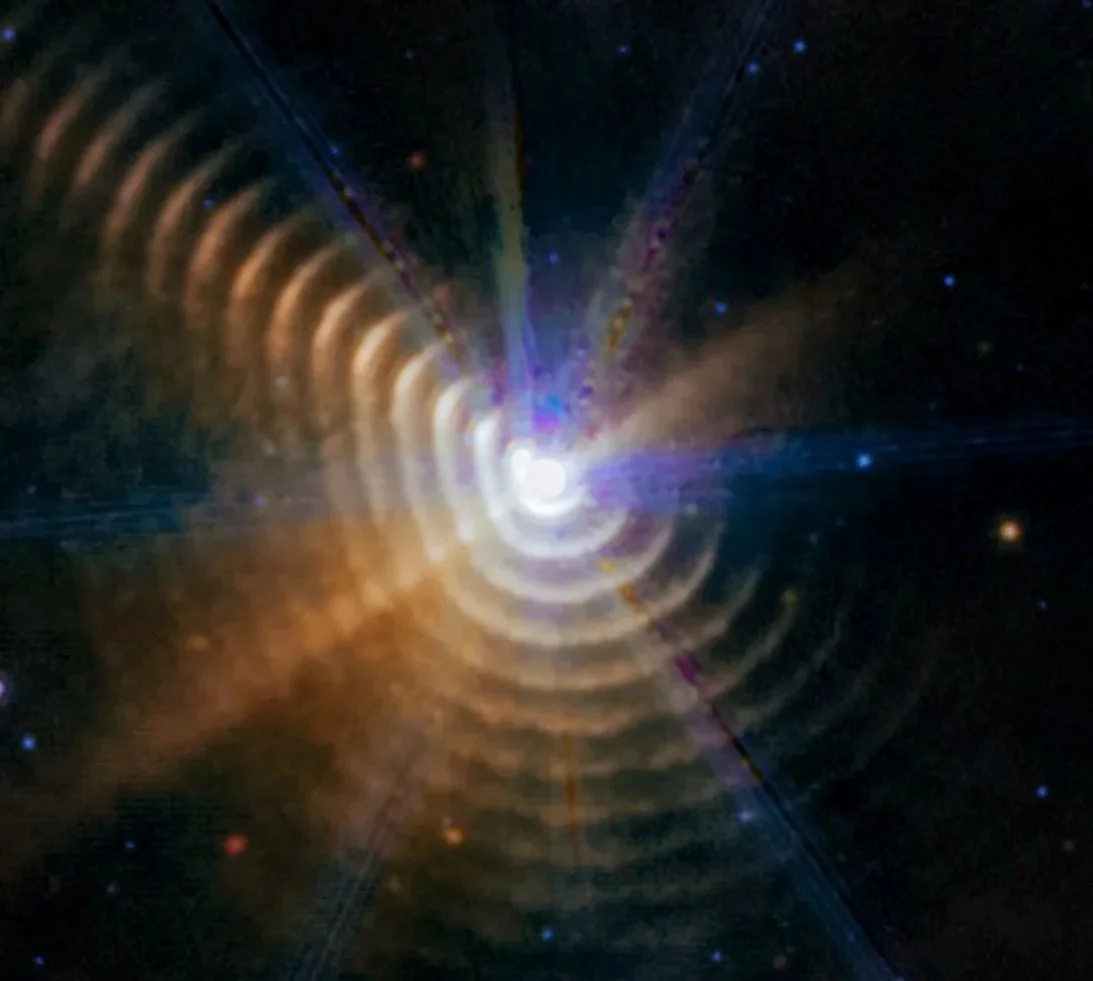
NASA FINESST PhD Candidate specializing in cosmic dust produced by massive evolved binary stars

Emma P. Lieb
About Me
I earned my B.S. in Astrophysics from the University of Colorado Boulder, during which I was involved in several research labs. These included the Laboratory for Atmospheric and Space Physics where I worked on solar and planetary data analysis, as well as JILA, where I performed theoretical galactic evolution modelling. Following my undergraduate studies, I began my PhD at the University of Denver under Dr. Jennifer Hoffman. My thesis focuses on dust produced by Wolf-Rayet binary stars. I aim to expand my research focus in my postdoctoral work to studying cosmic dust in a broader range of astrophysical environments.
Research Focus
|
Research Focus |
Evolved Binary Stars
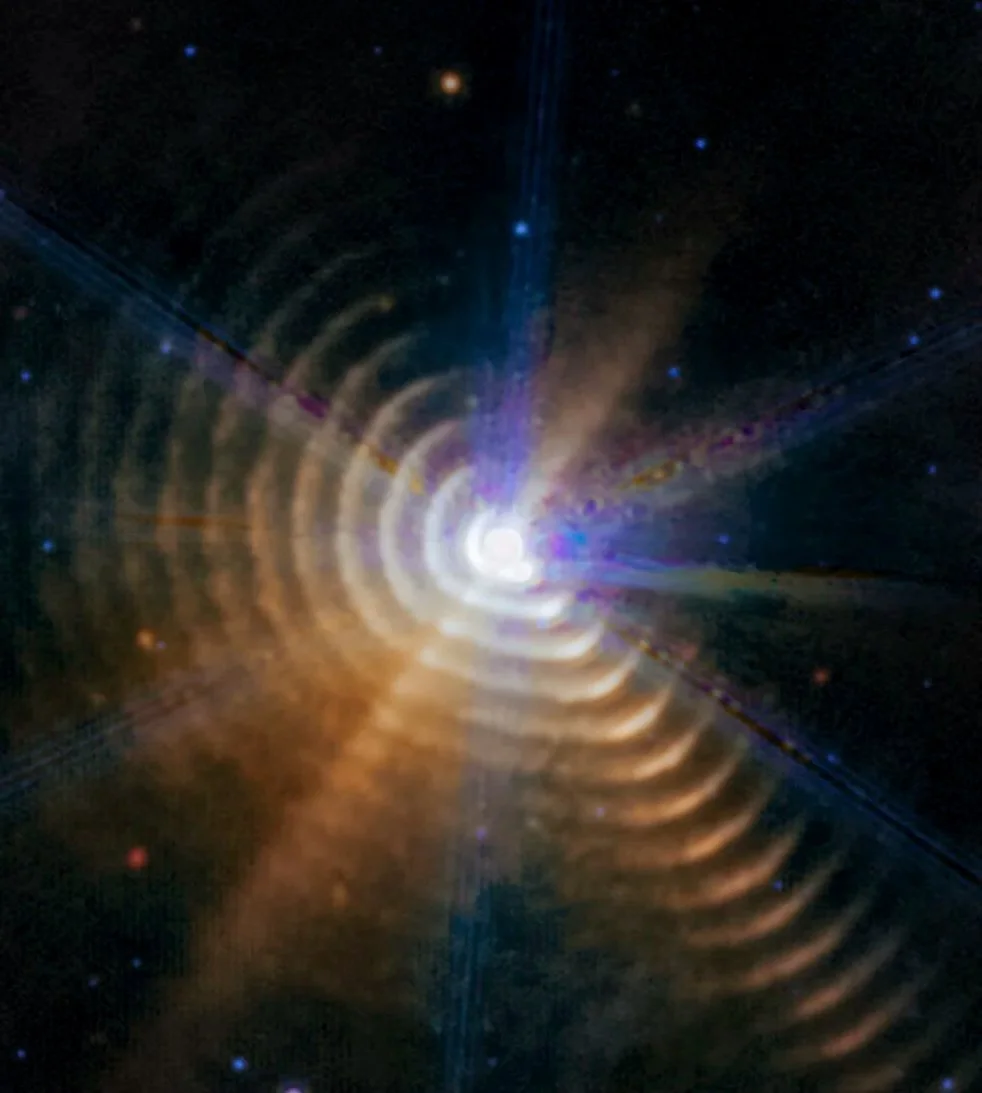
The types of binary stars that I study are called Wolf-Rayet (WR) binaries. These systems consist of a massive, evolved WR star and a massive, main-sequence OB companion. When the wind collision interaction in these binaries is sufficient to enhance the density of the carbon-rich wind of the WR star, dust grain condensation occurs. While these stellar systems are rare, their fast evolutionary timescales make them an attractive candidate for the major source of carbonaceous grains in the early universe. These systems are denoted “WCd”.
I specially have focused on our Galactic population of WCd binaries. The systems that we have obtained JWST imaging of include WR48a, WR112, WR125, WR137, and WR140.
Cosmic Dust
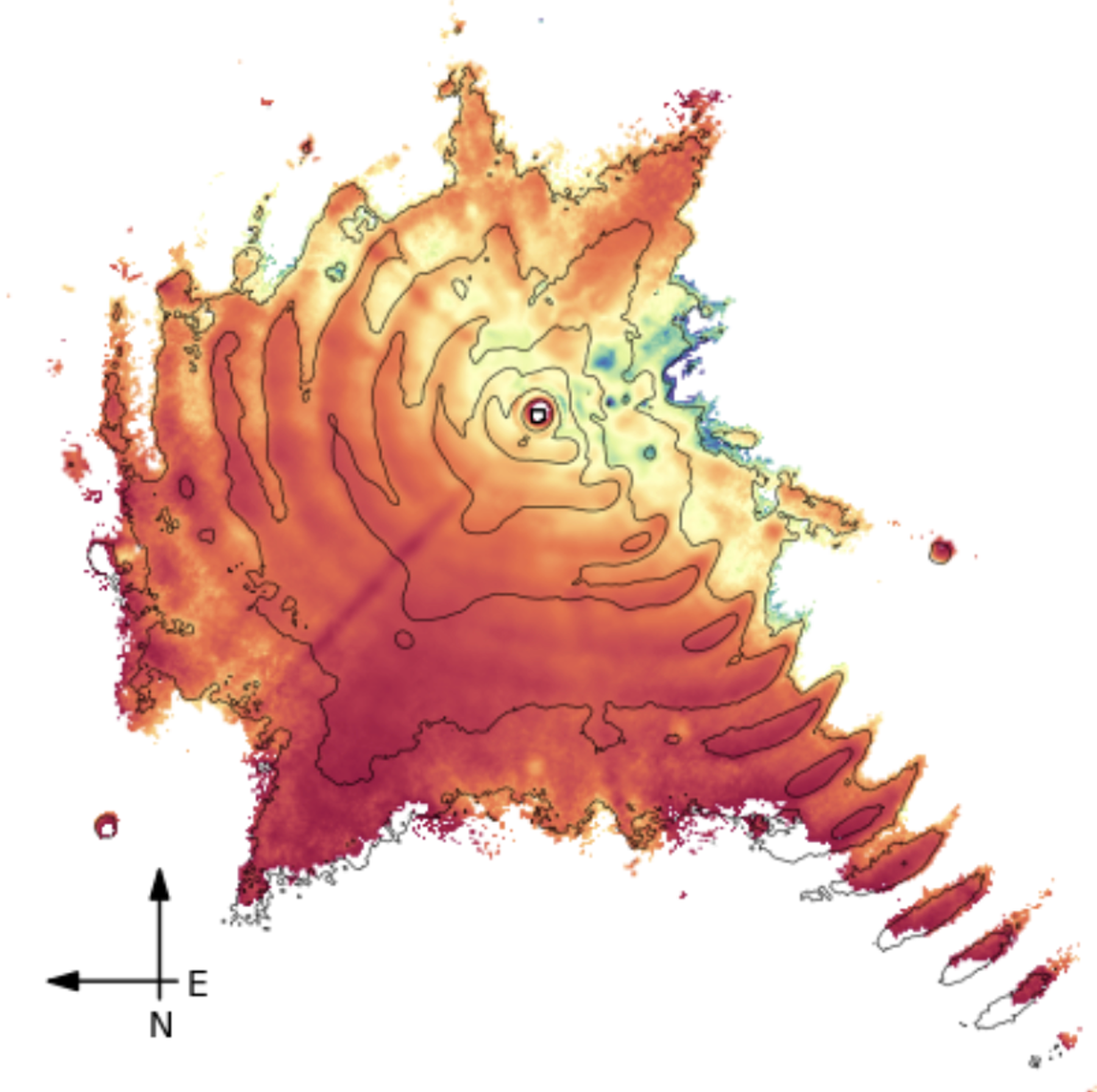
Dust is ubiquitous in our Universe. Most dust grains begin their lives in stellar sources like Asymptotic Giant Branch stars and supernovae. One commonly overlooked source for carbonaceous grains is WCd binaries. These fascinating systems produce grains of varying sizes, compositions, and temperatures. Their spectra reveal signatures that are similar to those associated with Polycyclic Aromatic Hydrocarbon (PAH) molecules.
My current work focuses on asking questions about the properties of the grains that these systems are creating and trying to understand just how much dust they are really pushing towards their local Interstellar Medium (ISM). Dust contributes a major fraction of the energy output of a galaxy; it seeds planet and star formation and drives galaxy evolution. Exploring the dusty reaches of space only brings us closer to answering questions about our own cosmic origins.
JWST Data, Polarimetry, & Modeling
Dust emits brightly in the infrared, right where JWST is perfectly equipped to study our Universe. I use JWST’s Mid-Infrared Instrument (MIRI), both the Imager and Medium Resolution Spectroscopy, to analyze the thermal emission of dust surrounding our Galactic WCd binaries.
For systems where we have not yet obtained IR imaging, we can instead use optical spectropolarimetry to probe the inner circumstellar region. The gas and dust surrounding these systems are dynamic structures which move throughout the binary orbit, changing the shape and location of the scattering regions, resulting in a changing polarization signature. I utilize data from the South African Large Telescope RRS instrument to study the dust producer WR113 (CV Serpentis).
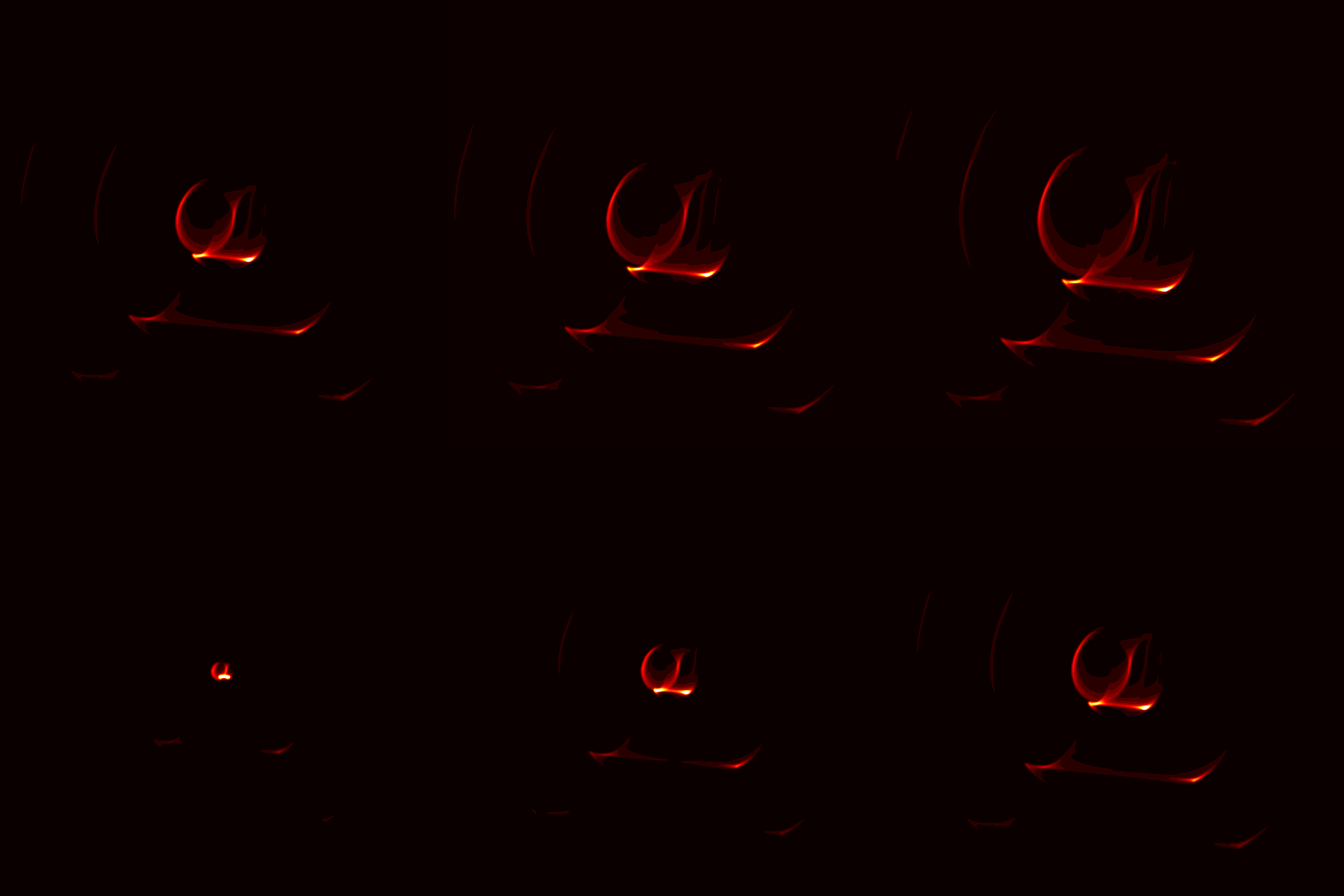
In conjunction with observational data, I also utilize several types of models to investigate these systems. To model the spectral energy distributions (SEDs) of the dust in the shells surrounding our sample, I utilize the numerical code DustEM. To visualize how the orbital and stellar parameters effect the overall morphology of the dusty nebulae, I use the geometrical model Xenomorph. Lastly, to experiment with how the orbital and stellar parameters effect the resulting polarization signatures, I utilize the radiative transfer model SLIP.
Publications
~
Publications ~
-
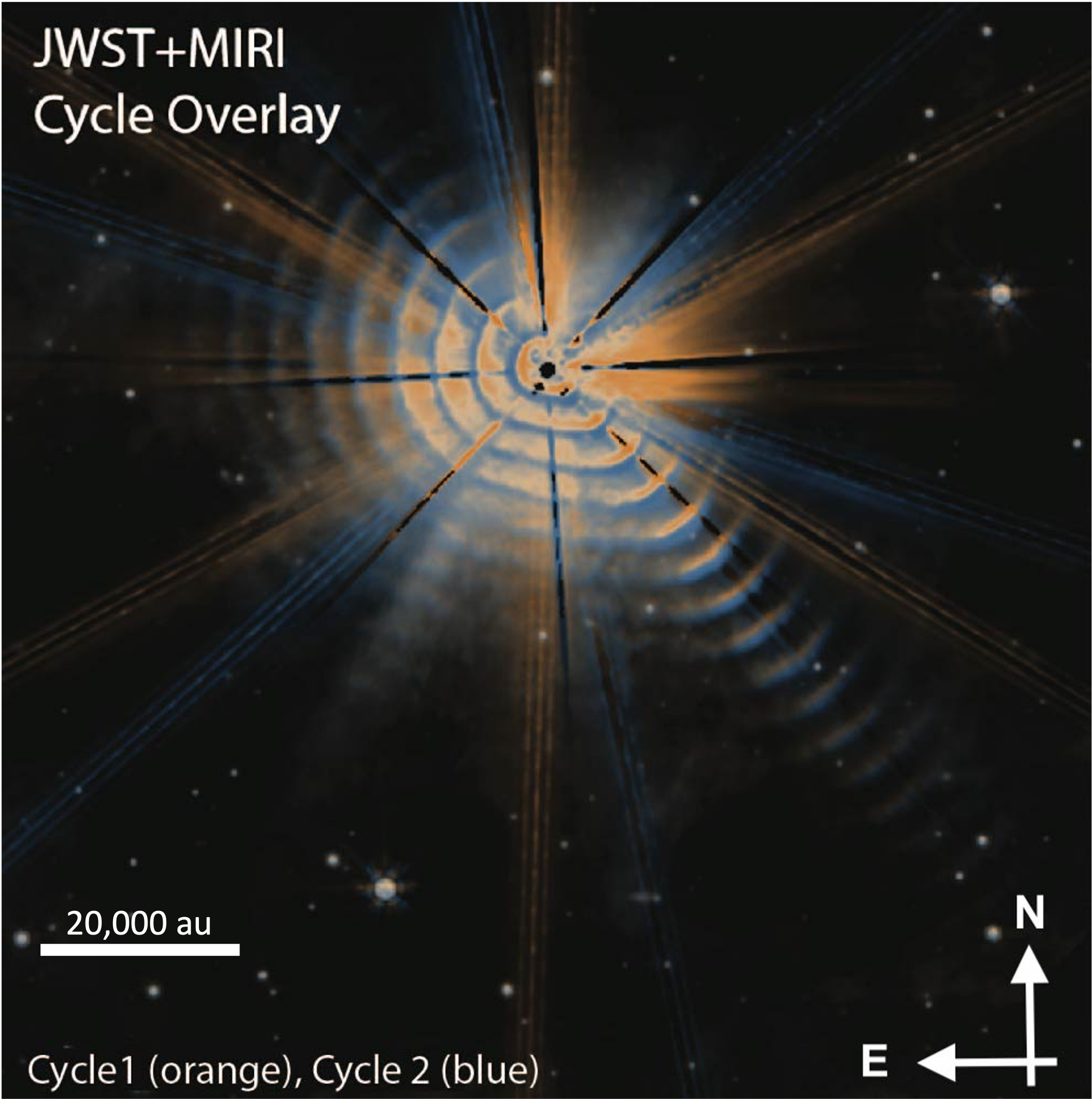
Dynamic Imprints of Colliding-wind Dust Formation from WR 140
Emma P. Lieb, Ryan M. Lau, Jennifer L. Hoffman, Michael F. Corcoran, Macarena Garcia Marin, Theodore R. Gull; et al. (2025)
-
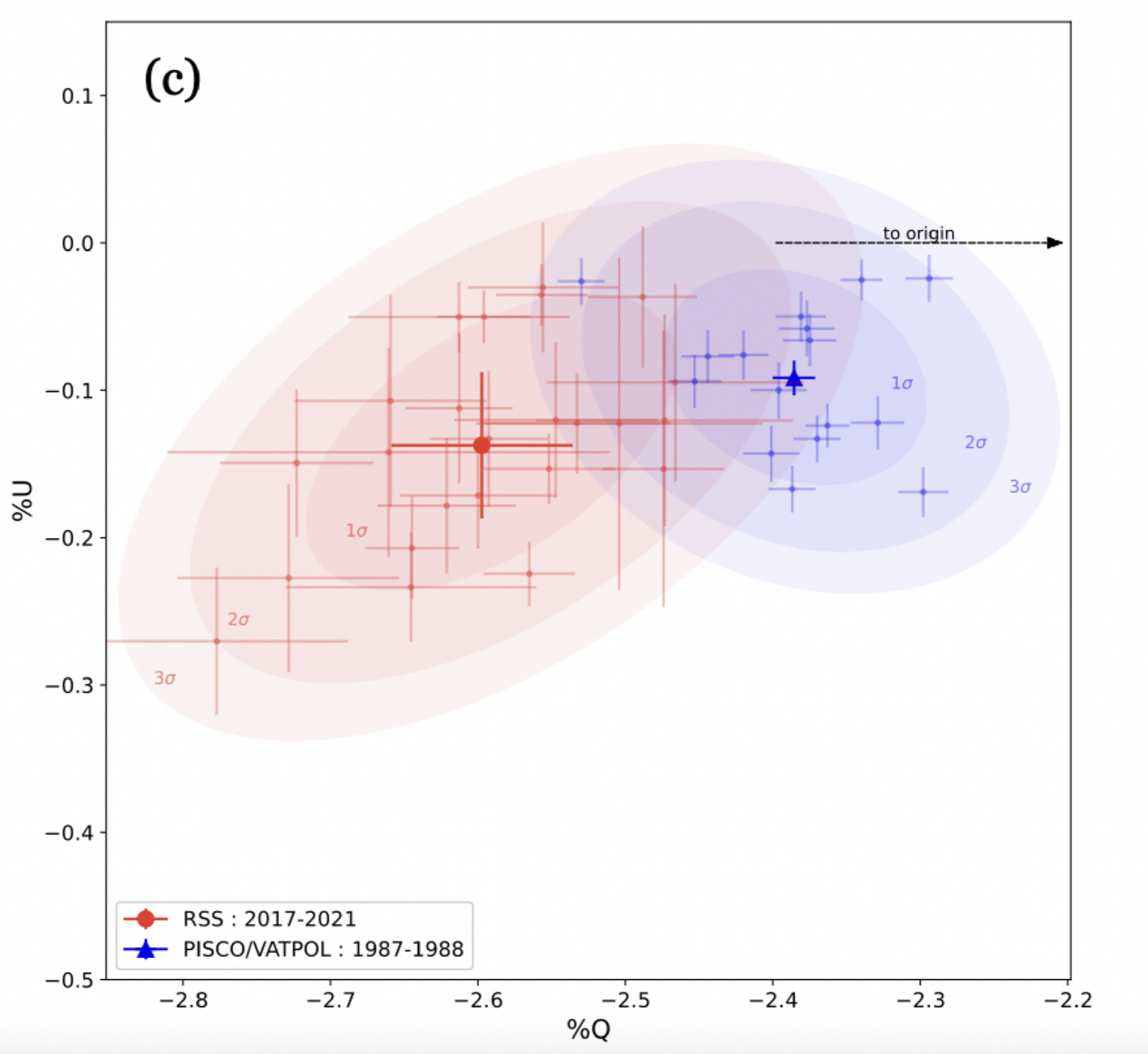
Polarimetric Variability Hints at Long-term Structural Changes in CV Ser
Emma P. Lieb, Jennifer L. Hoffman, Noel Richardson, Anthony F. J. Moffat, and Kenneth H. Nordsieck (2025)
-
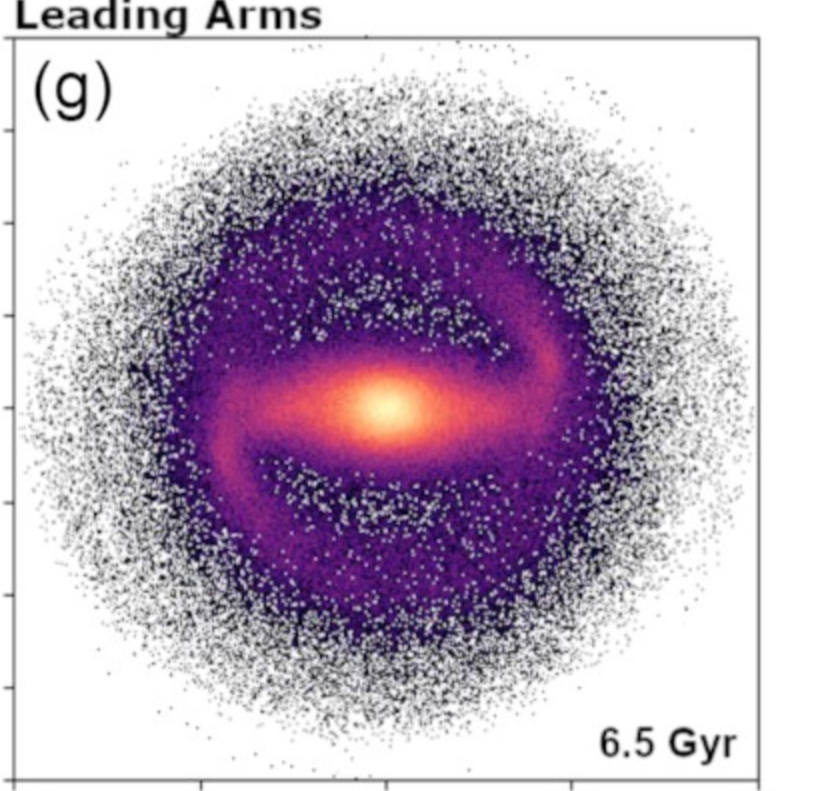
Bar-driven leading spiral arms in a counter-rotating dark matter halo
Emma P. Lieb, Angela Collier, and Ann-Marie Madigan (2022)
-
Carbon-rich Dust Injected into the Interstellar Medium by Galactic WC Binaries Survives for Hundreds of Years
Noel D. Richardson, Micaela Henson, Emma P. Lieb, Corey Kehl, Ryan M. Lau, Peredur M. Williams, Michael F. Corcoran, J. R. Callingham, André-Nicolas Chené, et al. (2025)
-
A Possible Changing Systemic Velocity for CV Serpentis: Further Evidence of a Third Body in the Dust-making Wolf–Rayet Binary?
Em Biegler, Noel D. Richardson, André-Nicolas Chené, Emma P. Lieb, and William Punches (2026)
-
Can the Dust Eclipses in WR 104 Provide Constraints on the System’s Inclination?
Noel D. Richardson, Ryan M. T. White, Anthony J. Fabrega, Emma P. Lieb, André-Nicolas Chené, Peter G. Tuthill, John D. Monnier, Grant M. Hill, Peredur M. Williams, Anthony F. J. Moffat, and Gerd Weigelt (2026)